
Dentists generally try to preserve a natural tooth whenever it can be restored predictably. So, when is tooth extraction necessary? It may be recommended when severe decay, a deep fracture, advanced gum disease, infection, crowding, or another condition leaves the tooth unable to function safely. An examination and dental X-rays are normally needed before deciding whether removal is the right path.
The Ontario Dental Association identifies disease, trauma, crowding, and orthodontic treatment as reasons a tooth may need to be removed, alongside other clinical factors such as severe decay, fractures, advanced gum disease, and impacted teeth.
Dentists Try to Save Natural Teeth First
Before recommending extraction, a dentist will typically consider whether the tooth can be preserved through:
- A filling
- A dental crown
- Root canal treatment
- Periodontal (gum) care
- Ongoing monitoring, where clinically appropriate
Extraction is not automatically faster, cheaper, or “better” than saving a tooth. The right approach depends entirely on the individual case.
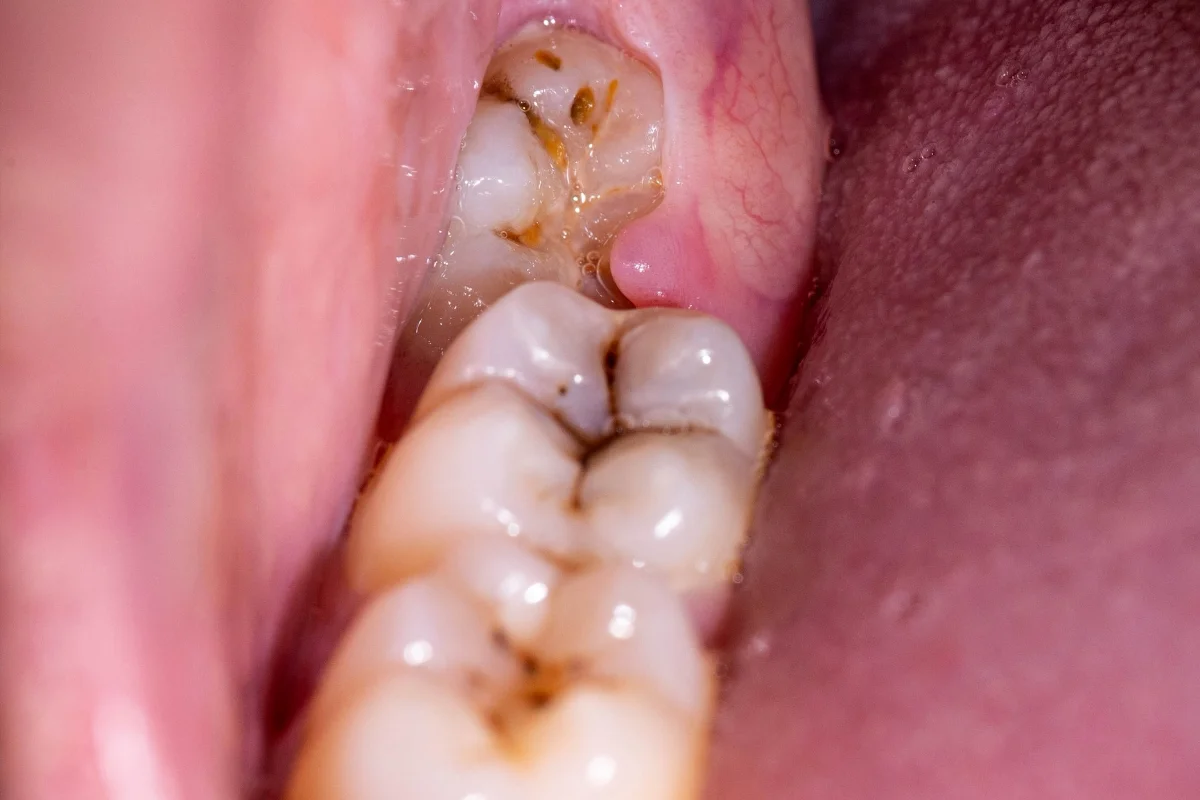
Common Reasons for Extracting a Tooth Other Than Wisdom Teeth
Severe Tooth Decay
When decay has destroyed too much of the tooth structure to support a filling or crown.
A Tooth Fractured Below the Gumline
Fractures extending beneath the gum are often difficult or impossible to restore predictably.
An Infection that Cannot be Treated Predictably
In some cases, infection has progressed beyond what root canal treatment can resolve.
Advanced Gum Disease and Loss of Support
When the supporting bone and gum tissue can no longer hold the tooth securely.
Orthodontic Crowding
Occasionally, a healthy tooth is removed to create space as part of a broader orthodontic treatment plan.
An Impacted Non-wisdom Tooth
Teeth other than wisdom teeth can also become impacted and require removal.
Trauma
An injury severe enough to compromise the tooth’s structure or stability.
Problematic Baby Teeth
In children, certain baby teeth may need removal if they’re affecting the development of permanent teeth.
Preparation for Restorative Treatment
Some treatment plans call for extraction as a planned step toward a larger restorative goal.
Can the Tooth Be Saved With a Root Canal or Crown?
This is often the central question during a consultation. A dentist typically evaluates:
- How much healthy tooth structure remains?
- The location and depth of any fracture.
- The condition of the surrounding bone and gum.
- Whether infection is present.
- Whether the tooth is realistically restorable.
- The forces the tooth will bear when biting and chewing.
- The overall prognosis of treatment.
If you’re weighing this decision yourself, our article on dental crowns vs. root canal treatment walks through how these two options are typically compared, and our piece on signs you may need a root canal can help you recognize relevant symptoms.
Simple Extraction vs. Surgical Extraction
- Simple extraction: Performed on a tooth that is visible and accessible, generally more straightforward.
- Surgical extraction: Required when a tooth is not easily accessible. For example, if it’s broken at the gumline or impacted, it typically involves a more involved procedure.
What Happens Before an Extraction?
- Review of dental and medical history.
- Clinical examination.
- X-rays, where indicated.
- Discussion of alternatives to extraction.
- Informed consent.
- Planning for tooth replacement, if applicable.
- Aftercare instructions.
What Happens After a Non-Wisdom Tooth Is Removed?
Replacement planning is an important part of the conversation and may involve:
- A dental implant.
- A dental bridge.
- A partial denture.
- Orthodontic space closure.
- Monitoring, in select situations where replacement isn’t immediately necessary.
The Ontario Dental Association recommends discussing replacement options after the loss or extraction of a permanent tooth. For more on one of these paths, see our overview of restorative dentistry.
Trying to understand whether a tooth can be saved or needs to be removed? Forest Manor Dental can walk you through your options after a full examination.

Frequently Asked Questions
Can a badly decayed tooth always be saved?
Not always. It depends on how much healthy structure remains and whether the tooth can support a restoration.
Is extraction better than a root canal?
Not inherently, dentists generally aim to save a natural tooth when it’s realistically restorable.
Does gum disease cause teeth to be removed?
Advanced gum disease can lead to enough bone and tissue loss that extraction becomes necessary.
Can a cracked tooth be repaired instead of extracted?
Sometimes, depending on the depth and location of the crack, this is assessed on a case-by-case basis.
Why are healthy teeth sometimes removed for braces?
In certain orthodontic cases, removing a tooth creates space needed to properly align the remaining teeth.
What is the difference between simple and surgical extraction?
Simple extraction involves a visible, accessible tooth; surgical extraction is needed for teeth that are broken at the gumline or impacted.
Do I need to replace an extracted tooth?
This depends on the tooth’s location and function; your dentist will discuss whether replacement is recommended.
How soon can a dental implant be placed after extraction?
Timing varies by case and is determined by your dentist based on healing and bone condition.
Can an infected tooth be extracted immediately?
In some cases, yes, though the approach depends on the specific infection and clinical circumstances.
What happens if I delay a recommended extraction?
This depends on the underlying issue; your dentist can explain the specific risks for your situation.