
If you are experiencing tooth pain or sensitivity? It might mean you have a cavity. A tooth cavity filling consultation can help to fix this. In this consultation dentist checks how bad your cavities are and chooses the best way to treat them. This helps you take care of your teeth and feel better. Let’s find out what will happen and how it will help your teeth stay healthy.
What is a Tooth Cavity Filling Consultation?
It is a meeting where you meet a dentist and they look if you have cavities. They use tools to check each tooth carefully. If they find cavities, they talk about the best ways to fill them. This visit helps decide how to fix your teeth so they can be healthy again.
Identifying the Signs That You Need a Filling
Look out for signs you might need a filling. Things like toothache, seeing holes, or feeling sensitivity when eating sweets, hot, or cold foods are clues. Dark spots or chips on your teeth are also hints. If you notice these, then you need help for your oral health.
Common Symptoms of Cavities
Cavities often show signs like bad teeth pain and dark spots. You might feel sharp pain when eating hot or cold things or sweets. Sometimes, your teeth may have holes or parts that break off. If eating or drinking makes your teeth hurt, you could have a cavity.

Sensitivity to Hot and Cold Foods
While you are eating or drinking hot or cold things and experience pain then it is a sign of a cavity. This pain means the outside of your tooth is damaged, letting the hot or cold reach the inside part where the nerves are. This can make eating hard and means you should see a dentist.
Persistent Toothache or Pain
If you have a lot of pain in your teeth then it could be a deep cavity. This pain tells you it’s time to visit a dentist. In this consultation they’ll find out the cause of your pain and how to fix it, so you feel better.
Visible Holes or Craters in Your Teeth
Seeing holes or big spots in your teeth can mean you have cavities. These holes might be small or big. A dentist can check these spots and tell you if you need a filling. This stops the cavities from getting worse.
Frequent Tooth Sensitivity to Sweet Foods
When your teeth hurt after eating sweet stuff, it could mean cavities. Sweets bother weak teeth more, touching parts that aren’t safe. This means your teeth might have small holes or unseen damage. A dentist can check if you have cavities and guide you on how to fix them. This way, your teeth won’t hurt with sweets anymore.
Cracked Teeth
Cracks or chips in your teeth can also mean you need a filling. These damages can let germs inside your teeth, leading to cavities. A dentist can spot these problems and decide if a filling will help. Fixing these early stops bigger problems later.
Exploring Your Filling Options
There are many filling options you can pick from. Some fillings match your teeth color, while others are very strong. You can choose from metal mixtures or types that help your teeth get better by giving it medicine. Your dentist will help you find the right one based on the cavity’s spot, your budget, and what you prefer.
Composite Resin Filling
Composite resin filling mimics the appearance of natural teeth splendidly. It is particularly effective for anterior teeth due to its aesthetic appeal. The dental professional layers them before using a light to cure them. They harmonize excellently with one’s dental palette, though their durability may not rival that of alternate materials, notably in molars subjected to extensive mastication.
Amalgam Filling
It is a composite of various metals, encompassing both silver and copper. Its durability and longevity make it ideal for molars, which endure considerable chewing action. Despite its metallic appearance, which doesn’t mimic natural tooth shades, its affordability and long-standing reliability render it a favored option for cavity restoration.
Glass Ionomer Filling
It’s great for small holes, mostly near the gums or in kids’ teeth. It gives off fluoride to make teeth stronger and help stop more holes. They look like real teeth but aren’t the toughest. In your tooth cavity filling consultation, see if this kind fits you.
Resin Ionomer Filling
It resembles glass ionomer variants but boasts enhanced durability. It releases fluoride to prevent additional decay, ideal for areas less subjected to chewing. Aesthetically pleasing, though it may not rival the longevity of alternative options. Suitability can be determined by a professional assessment.
Porcelain Filling
Porcelain filling looks just like real teeth. It’s strong and lasts long. It is best for front teeth because they look so natural. It might cost you more but perfect for making your teeth look like there was never a problem.
Temporary Filling
Temporary filling is like a quick patch. It helps when you can’t get the normal filling immediately, like after certain treatments or while waiting for a better one. It isn’t very tough but do cover your teeth for a while. You have to see the dentist again for a permanent solution later on.

How To Prepare for Your Consultation
Before your tooth cavity filling consultation, jot down any tooth troubles or pain you’ve had, including when they began. Bring any dental x-rays or records. This helps your dentist know more about your teeth. Also, list all medicines you’re on. This info gets your dentist ready to offer the best advice at your visit.
Gather Your Medical and Dental History
Bring all your past health records to your dentist. This includes any major illnesses, surgeries, and any allergies you have. Also, share your family’s health history if it’s known. This helps your dentist understand your overall health better. They need this info to pick the right treatment for you.
List Your Symptoms and Concerns
Before your visit, make a list of any pain, feeling hot or cold, or things you see wrong with your teeth. Also, note when these troubles began. Write down any questions or worries about your teeth or the dentist visit. This helps your dentist understand your needs better.
Bring Previous Dental Records
Having old dental records helps your dentist understand your past treatments. This includes fillings, x-rays, or notes from other visits. It’s like sharing your teeth’s history. Your dentist uses this to make good decisions for you now. Bring these records to your visit.
Common Concerns and Misconceptions
Lots of people worry fillings will hurt and not look nice. But today’s fillings look just like your real tooth and don’t stand out. Plus, with things like numbing, it’s much less scary to get one. People also think it won’t last, but with the right care, it stays good for years.
Pain and Discomfort
During the consultation, the dentist will talk about ways to make you comfy. If you’re worried about pain, they have ways to help, like numbing the spot. This means you won’t feel much during the fixing. Everyone’s a bit different, so your dentist will pick the best way to keep you feeling okay.
Longevity and Durability
Fillings can last many years. Their life span varies by material and dental care. With regular brushing, flossing, and dental check-ups, this can last more than 10 years. The type of filling also plays a big role, as some materials are tougher and stay longer.
Insurance and Costs
Insurance often helps with the cost of getting a cavity filled. How much you pay can vary depending on the filling type. Metal ones are usually cheaper than those that look like your tooth. Always check what your insurance covers. If you’re not insured, talk to your dentist about ways to make payment easier, like plans or discounts.

Tooth Cavity Filling Process
First, the dentist looks at your tooth to see the decay. They make sure you can’t feel pain by numbing the spot. Then, they take out the decayed part. They clean the tooth and fill it with the material you picked out. Last, they adjust it to match your teeth and check your bite.
Initial Assessment and Diagnosis
At your first visit, the dentist looks inside your mouth. They use a small mirror to check all your teeth. They look for any signs of cavities or other issues. The dentist might take X-rays to see better. This helps them know what’s wrong and how to fix it.
Preparing the Tooth
Before the dentist fixes your tooth, they prepare it first. They dry the tooth and the area near it. A rubber sheet goes around the teeth. This keeps things out of your mouth. This step gets everything ready for a clean and safe filling.
Anesthesia Administration
During your tooth cavity filling consultation, the dentist will use anesthesia to numb your tooth. This means you won’t feel pain while they work on your cavity. They put a little shot near the teeth to make the area sleepy. This helps you stay comfy during the treatment.
Removing Decayed Tooth Material
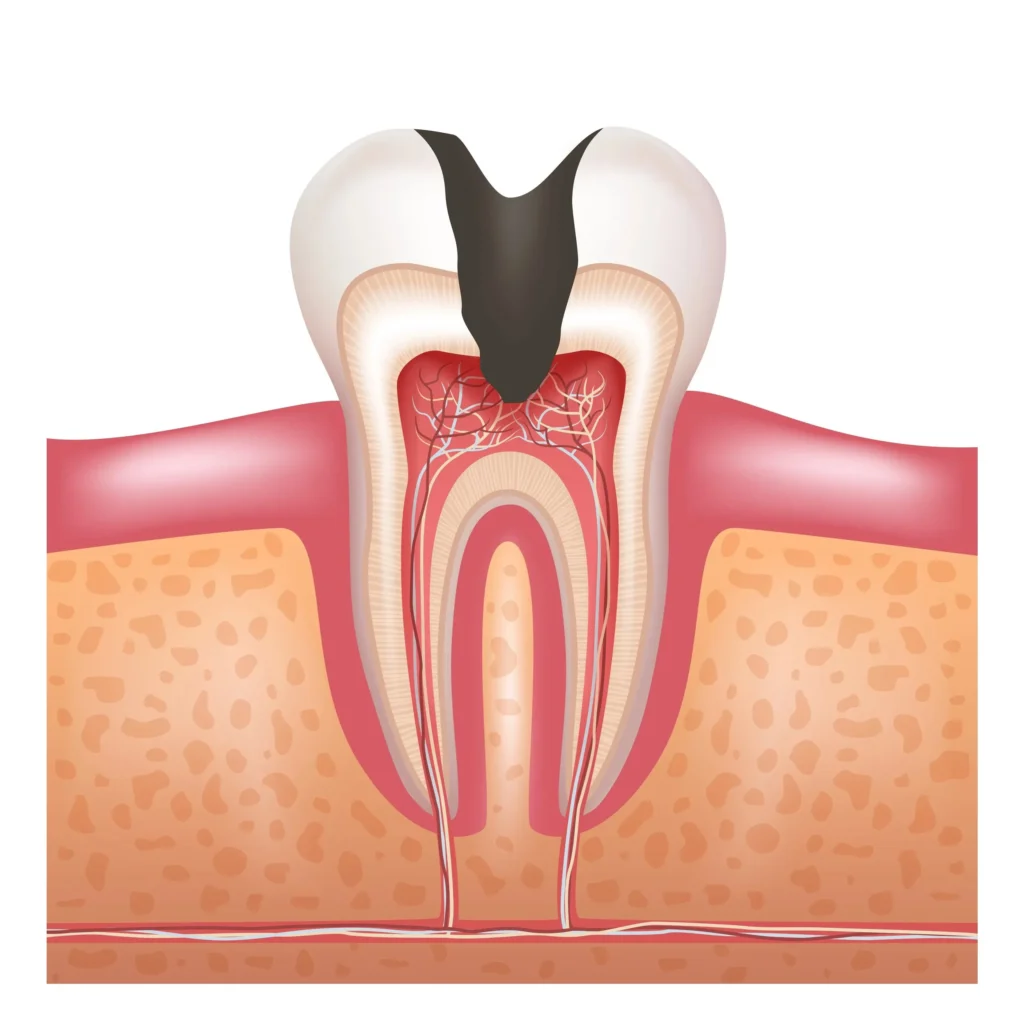
The dentist uses a special tool to get rid of the rotten part of your tooth. They clean out all the bad stuff so your teeth can be okay again. Taking away the decay stops it from spreading. They have to do this before they can fill your tooth. Deep decay might require more than a filling. Learn the difference between a tooth filling vs. root canal.
Cleaning and Disinfecting the Cavity
After taking out the bad part of the tooth, the dentist cleans the hole. They use special stuff to kill germs and make sure no dirt is left. This step makes sure the tooth is ready for the treatment. It helps stop more oral problems and keeps your teeth safe.
Filling Material Selection
Picking the right stuff for your filling matters a lot. The dentist checks the spot of the cavity, its size, and what’s best for your tooth. There are choices like ones that match your teeth color or super strong ones. Your dentist will guide you to pick the best one to keep your smile bright.
Placing the Filling
After the tooth is clean and ready, the dentist puts the filling material in the hole where the decay was. They carefully put it in layers if needed and use a special light to harden it, making it strong. This step is quick and makes sure it fits right in your tooth. The dentist works to make sure it’s just right so your teeth can be healthy again and you can use it like before.
Shaping and Polishing the Filling
After the filling goes in, the dentist works on it to make it fit perfectly. They smooth it out and polish it to look shiny, just like your real teeth. This helps you eat and bite easily. It’s a key step to ensure it blends in with your teeth.
Checking Bite and Adjustments
After the filling is in, the dentist asks you to bite down. This is to make sure it fits perfectly and feels okay. If it’s too high or feels weird, they fix it. This step is important so you can eat and talk without trouble.
Schedule Your Consultation Today!
Ready to take the first step towards a healthier smile? Forest Manor Dental is here to help. We make the process easy and comfortable. To find a tooth cavity filling consultation near me, just reach out. Contact us today. Let’s get your smile back to its best!