
A small chip without pain, bleeding, or swelling may not require immediate emergency treatment, but it should still be examined by a dentist. Whether a chipped tooth is a dental emergency really depends on the depth of the injury; a deeper break accompanied by pain, bleeding, swelling, looseness, or significant sensitivity needs prompt attention. Call your dental office, rinse gently with water, and bring any tooth fragments you can find.
The Ontario Dental Association recommends contacting a dentist right away when a chipped tooth causes bleeding or pain, along with rinsing the area, applying a cold compress, and bringing the broken fragment to the appointment.
When Is a Chipped Tooth an Emergency?
Seek prompt or same-day dental attention if you notice:
- Significant or worsening pain.
- Ongoing bleeding from the gum or tooth.
- Visible swelling in the face, cheek, or gum.
- A tooth that feels loose or out of position.
- A large section of the tooth is missing.
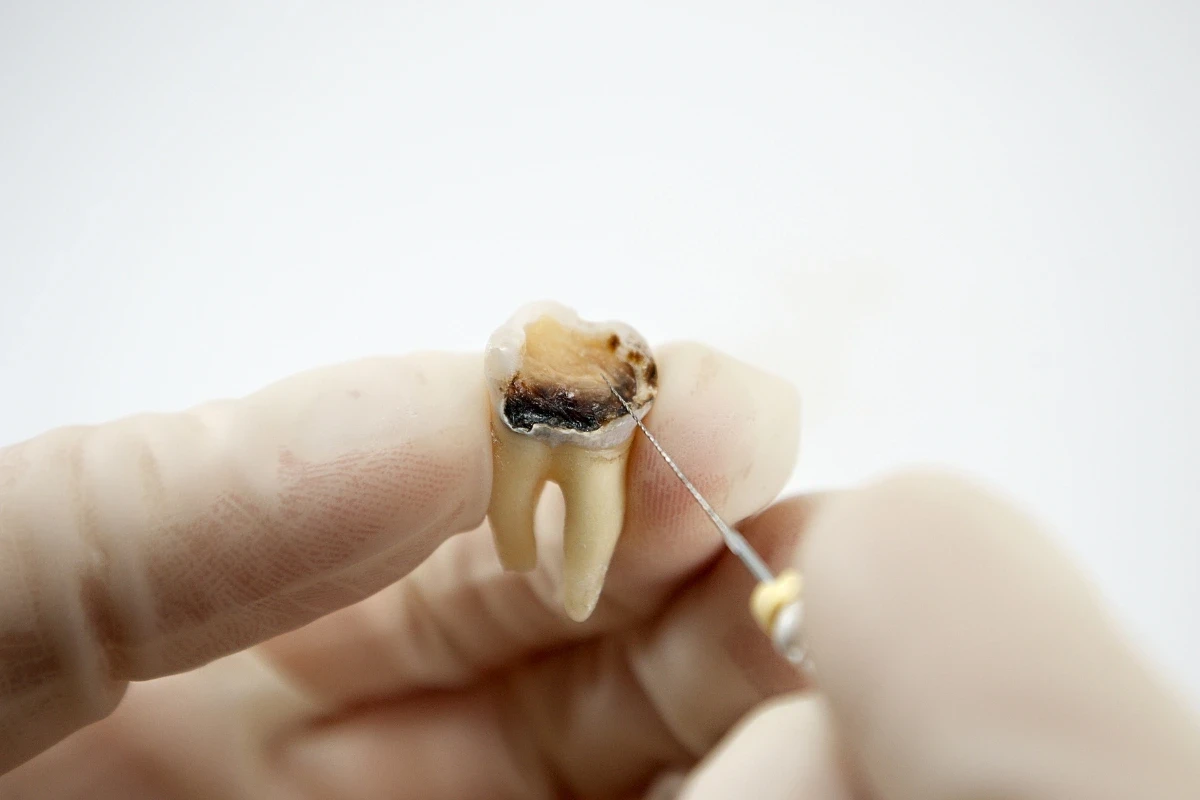
- Visible inner tooth structure (a yellow or pink layer beneath the white enamel).
- Trauma to the face or jaw alongside the chip.
- Difficulty biting down or closing your mouth normally.
A small chip may be less urgent when:
- There is no pain.
- There is no bleeding.
- The tooth feels stable and unchanged when you bite.
- Only a small edge of enamel is missing.
Only a dental examination can confirm how deep the damage actually goes, a chip that looks minor on the surface can still involve a crack that isn’t visible without an X-ray.
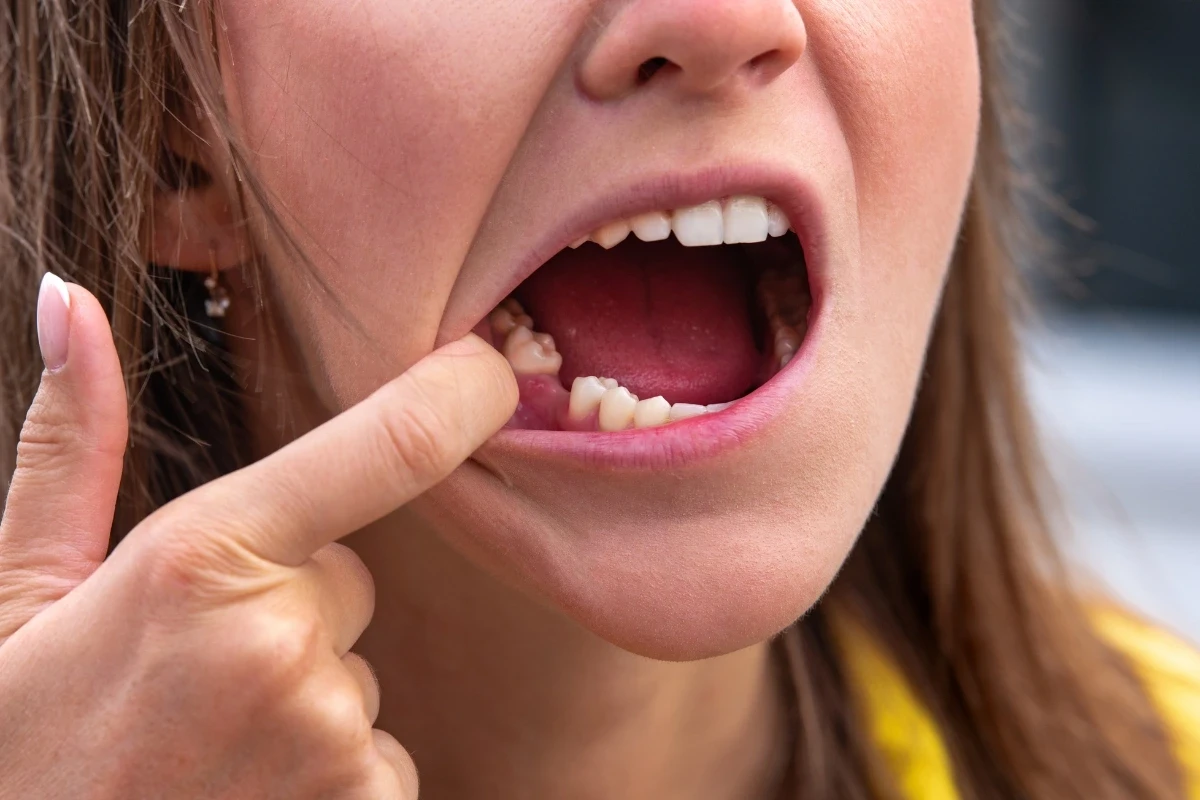
What to Do in the First Hour
- Call the dental office and describe the injury. For example, how it happened, whether there’s pain, and whether you can see or feel a sharp edge.
- Rinse your mouth gently with clean, room-temperature water.
- Save any tooth fragment you can find in a clean, dry container.
- Apply a cold compress to the outside of the cheek if there’s swelling.
- Avoid chewing on the affected side until you’ve been seen.
- Follow the guidance given by the dental office regarding the timing of your visit.
What Not to Do
- Don’t ignore pain or swelling that’s getting worse, not better.
- Don’t try to glue or re-attach the fragment yourself.
- Don’t file, sand, or reshape the tooth at home.
- Don’t chew hard foods on the injured tooth, even if it doesn’t hurt.
- Don’t assume “no pain” rules out a deeper crack; some fractures don’t hurt until later.
How Dentists Repair Chipped Teeth
Depending on the extent of the damage, a dentist may consider several treatment options. Very minor chips are sometimes simply smoothed. Others are repaired with composite bonding, which rebuilds the chipped area with tooth-coloured resin, or with a standard filling if a small amount of structural loss is involved. Front-tooth chips are occasionally addressed with a veneer for cosmetic cases.
For more serious structural damage, a dental crown may be recommended to protect and rebuild the tooth. If the injury has reached the inner pulp, root canal treatment may be necessary before any restoration is placed. Extraction is only considered when a tooth genuinely cannot be restored.
The right option depends entirely on the depth, location, and cause of the chip, and is determined during an in-person exam.
What If a Child Chips a Tooth?
Baby teeth and permanent teeth are assessed and treated differently. If your child chips a tooth, baby or adult, call the dental office for guidance specific to their age and the tooth involved, rather than waiting for a routine appointment.
Chipped Tooth vs. Cracked Tooth vs. Knocked-Out Tooth
These are three different injuries with different levels of urgency:
- Chipped tooth: A piece of the enamel or tooth structure has broken off, but the tooth is still in place.
- Cracked tooth: A fracture line runs through the tooth, which may not be visible without an exam or X-ray, even if no piece has broken off.
- Knocked-out (avulsed) tooth: The entire tooth has been displaced from the socket, which always requires immediate dental attention, ideally within the first hour.
Frequently Asked Questions
Can I wait until tomorrow with a chipped tooth?
It depends on the symptoms. A painless, stable, minor chip can often wait for the next available appointment. Pain, bleeding, swelling, or looseness should be assessed sooner.
Is a chipped tooth an emergency if it doesn’t hurt?
Not necessarily, but it should still be examined, since the visible chip doesn’t always reflect what’s happening beneath the surface.
Why is my chipped tooth sensitive to cold?
Sensitivity can occur when the chip exposes the underlying dentin layer, which is more reactive to temperature than enamel.
Can a chipped tooth become infected?
If the chip is deep enough to reach the inner pulp, bacteria can potentially reach that tissue and cause infection over time.
Can the broken fragment be reattached?
In some cases, a dentist may be able to bond a saved fragment back onto the tooth; this is why it’s worth keeping the piece if you find it.
How does a dentist fix a small chip?
Minor chips are often repaired with composite bonding in a single appointment.
Will I need bonding, a crown, or a root canal?
This depends on how deep the chip goes and whether the tooth’s nerve has been affected — your dentist will confirm after an exam.
Is a chipped baby tooth an emergency?
Call the dental office to describe the injury. Baby teeth are evaluated differently from permanent teeth.
Can a chipped tooth heal on its own?
No, enamel does not regenerate. A chip will not repair itself and should be evaluated.
Should I go to a hospital or a dentist?
For a chipped tooth without severe trauma to the face or jaw, a dentist is generally the appropriate first call. Severe facial trauma may warrant emergency medical attention.
If you’re dealing with a chipped tooth right now, Forest Manor Dental in North York can help you figure out the right next step and get you seen as soon as possible.