
If you are experiencing pain and discomfort in your teeth when eating hot or cold foods, it could be a serious sign. Persistent tooth pain can also be an indicator. These signs mean your tooth might be in trouble and could need a root canal.
Many people underestimate tooth pain. Ignoring it can lead to more significant problems like tooth loss. Let’s discuss the 7 signs that you need a Root Canal. Recognizing these symptoms can help you protect your teeth before it’s too late.
Persistent Tooth Pain: A Major Sign You Need Root Canal Treatment
The most common root canal symptoms include persistent tooth pain. The pain worsens when you chew or put pressure on the teeth. If you experience continuous pain then your tooth might be infected. The pain can be sharp or dull but it won’t disappear.

Lingering Sensitivity: Root Canal Might Be the Solution
Consistency sensitivity to hot or cold foods can be a sign of a root canal. If it lasts even after you eat, your tooth might be in trouble. This pain is stronger and stays longer than usual. It may mean your tooth’s nerve is damaged or infected.
Swollen or Tender Gums: Indication for Root Canal Therapy
Inflamed or sensitive gums might indicate getting a root canal. If your gums appear red or feel sore, there might be an infection. Sometimes, the swelling isn’t painful but can still mean trouble. This issue can show up with other problems like tooth pain.
Darkening or Discoloration of the Tooth: Time to Seek Root Canal Services
Discolored teeth can be one of the signs that you need a root canal. A gray or black tooth may indicate a dying nerve inside. This change often happens slowly. Discoloration often comes with pain or swelling. This indicates your teeth need a dentist’s care.
Pimple on the Gums: Root Canal Could Prevent Infection Spread
A small pimple on the gums by a hurting tooth is a sign of infection. This bump can leak pus, causing a bad taste or smell. It shows the tooth’s pulp is infected and needs quick care. It often comes with swelling or tooth pain.
Pain When Chewing or Biting: Root Canal Treatment Can Relieve Discomfort
Pain when chewing or biting can mean a tooth needing a root canal. This pain shows the tooth’s pulp is inflamed or infected. If pain worsens with pressure, see a dentist. Avoiding chewing on one side can cause more issues. Don’t ignore this symptom; seek timely treatment.
Cracked or Chipped Tooth: Why You Might Need a Root Canal
A cracked or broken tooth might mean you need a root canal. Minor cracks allow germs in leading to pain and infection. Damaged teeth often lead to toothache and sensitivity. If ignored, the problem may worsen. See a dentist to avoid bigger issues later on.
What Is a Root Canal?
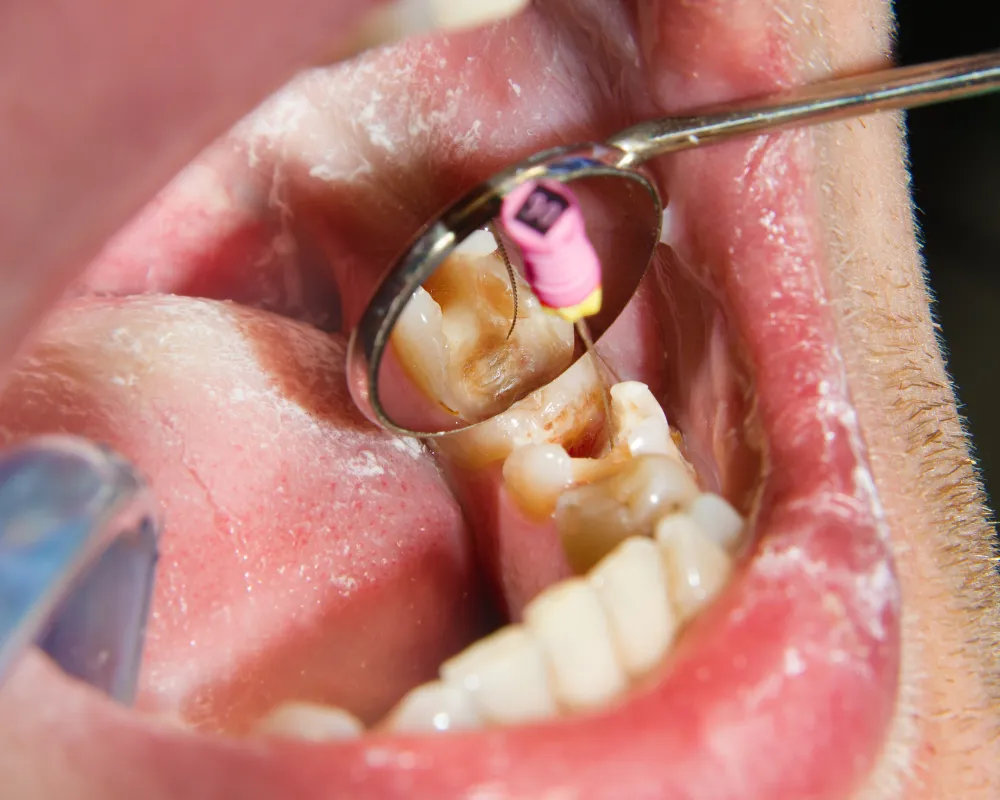
A root canal is a dental procedure to treat and repair damaged or infected teeth. The dentist removes the infected or damaged tissue inside the tooth. They thoroughly clean the area and then fill and seal it to prevent further infection. This stops the infection and saves your teeth.

Why Do You Need a Root Canal?
A root canal saves a tooth by taking out the infected pulp. This pulp has nerves and blood vessels that cause pain. Cleaning the pulp and sealing the tooth stops the infection. This protects the tooth from further damage.
Removes Infection or Damaged Pulp
It takes out the bad pulp from your tooth. If it’s infected then the pulp can cause a lot of pain. The dentist removes the pulp, cleans the tooth, and seals it. This stops the pain and infection from getting worse.
Prevents the Spread of Infection
A root canal stops the spread of infection by removing the bad pulp. This keeps bacteria from transferring to nearby teeth and gums. Cleaning and sealing the tooth prevents serious problems. This helps keep your teeth healthy and lowers the risk of more dental issues.
Relieves Pain and Discomfort
A root canal stops pain by fixing the problem in your tooth’s roots. The dentist takes out the bad pulp, cleans and seals the tooth. This will stop the pain and discomfort. After the treatment, you can chew and eat without pain.
Restores Tooth Function
Restoring the tooth stops the pain. The dentist fills and seals the tooth. This makes the tooth strong again. You can chew without pain. Eating and talking becomes easy again. The tooth functions properly without any pain.
Preserves Natural Tooth Structure
It saves your natural tooth. The dentist removes only the damaged pulp, keeping the tooth strong. This preserves your natural smile and helps you bite and chew normally. Unlike pulling a tooth, no artificial replacement is needed.
What Happens If You Don’t Get a Root Canal?
Never ignore the signs that a root canal is needed for your teeth. Delaying can make the infection worse and spread to nearby teeth. This can lead to more pain and swelling. You could end up losing your tooth and your jawbone could get damaged. Chronic pain could become an everyday issue.
Increased Risk of Tooth Loss
If you ignore the need for a root canal, the tooth gets weaker. It can break easily. The infection eats away at the tooth. You could lose the tooth entirely. Getting a root canal early can save it. This stops you from needing artificial teeth later on.
Spread of Infection to Surrounding Teeth
Ignoring the need of a root canal can make the infection spread to nearby teeth. Nearby teeth might become sensitive or start hurting. This can lead to more extensive dental work. The risk of multiple dental issues increases like this.
Potential for Bone Loss in the Jaw
Untreated infections can lead to bone loss in the jaw. Bone can get weak and break. This weakens the bone and can lead to fractures. It can also alter your facial appearance. Future dental work becomes more complicated like this. Addressing root canal symptoms quickly keeps your jaw and teeth healthy.
Dangers of Systemic Infection
Ignoring the need of a root canal can lead to serious health problems. Bacteria from an infected tooth can spread through your blood. This can cause heart infections, breathing issues, or sepsis. Treat tooth infections quickly to stay safe and healthy.
Chronic Pain and Swelling
Ignoring a root canal need can cause long-term pain. Swelling may spread to your face or neck, indicating a serious infection. Everyday activities like eating and talking become extremely hard. Over-the-counter pain relief may not be effective. This situation requires prompt dental care.
Understand the Key Signs That You Need a Root Canal
Knowing the signs that you need root canal treatment is crucial. Persistent pain and swelling are common indicators. Understanding why people need root canals helps you act quickly. Early care saves your tooth and stops the infection from spreading. Don’t ignore these signs; see your dentist soon after these signs appear.