
A tooth can hurt even when you cannot see a cavity. Pain may come from a small crack, inflammation inside the tooth, an exposed root, a damaged restoration, grinding, a gum problem or pain referred from another area.
It is also possible to have decay that is not visible when you look in the mirror. Cavities can develop between teeth, beneath an existing restoration or in another area that is difficult to see without a dental examination.
The location and type of pain can provide useful clues, but symptoms alone cannot confirm the cause. If your tooth pain persists, worsens or keeps returning, schedule a comprehensive dental examination rather than attempting to choose a treatment yourself.
Quick answer: Yes, a tooth can hurt without an obvious cavity. Common possibilities include a crack, inflammation or infection inside the tooth, exposed dentin, a loose filling or crown, grinding, gum inflammation and referred facial or jaw pain. A dental examination is needed to identify the source.

Why Can a Tooth Hurt Without a Visible Cavity?
A tooth is more than the hard white enamel you see. Beneath the enamel is dentin, and at the centre is the pulp, which contains nerves and blood vessels. The tooth is also supported by ligaments, bone and gum tissue.
Pain can originate from any of these structures. The muscles and joints that control the jaw can also produce discomfort that feels as though it comes from a tooth.
Another challenge is localization. Dental pain does not always feel as though it comes from its true source. You may point to one tooth even though a nearby tooth, a jaw muscle or another structure is responsible.
That is why two statements can both be true:
- You cannot see a cavity.
- Your tooth pain still needs to be evaluated.
It also means that tooth pain does not automatically indicate a need for root canal treatment. The correct treatment depends on the diagnosis.
1. A Small or Hidden Cavity May Still Be Present
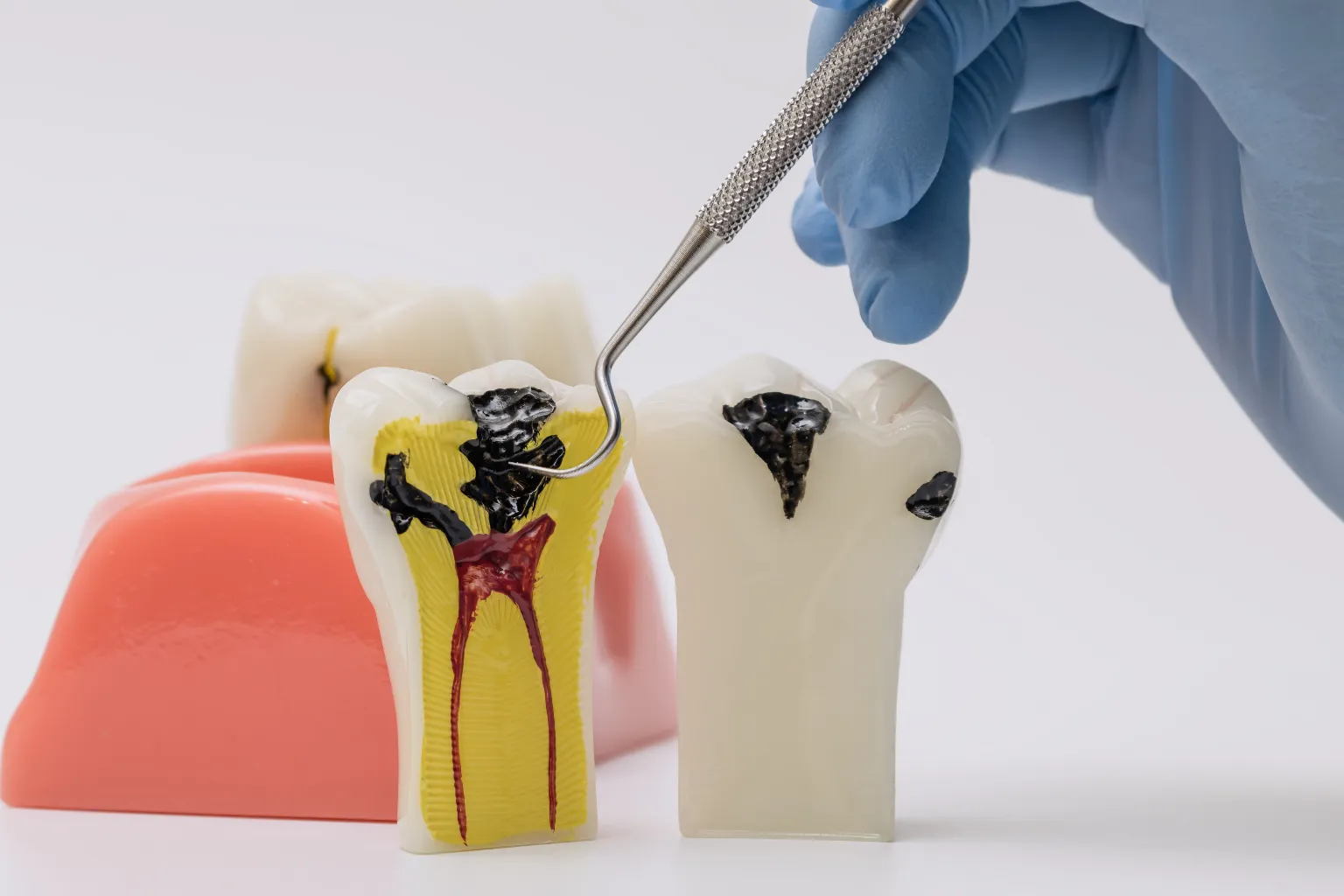
Not every cavity creates a visible hole or dark spot. Early decay may be difficult to see, and cavities can form:
- Between adjacent teeth
- Beneath plaque or tartar
- Near or under an existing filling
- Along the edge of a crown
- On the root surface
- In deep grooves on a chewing surface
A dentist may use a visual examination, dental instruments and appropriate imaging to check areas that are not visible at home.
Symptoms associated with decay can include sensitivity to sweets, temperature sensitivity, discomfort when biting or a persistent ache. However, these symptoms can also have other causes, so they should not be used as a home diagnosis.
2. A Cracked Tooth Can Hurt Without Looking Damaged
Some tooth cracks are easy to see, but others are extremely small or extend into areas that cannot be viewed directly.
According to the American Association of Endodontists, a cracked tooth may cause irregular pain when chewing or sensitivity to hot and cold. The discomfort can come and go, which sometimes makes the responsible tooth difficult to identify.
Possible clues include:
- Sharp pain when biting.
- Pain when releasing your bite.
- Temperature sensitivity.
- Pain that comes and goes.
- Discomfort that is difficult to locate.
- A history of biting something hard.
- A large filling in the affected tooth.
Pain when biting does not prove that a tooth is cracked. A damaged restoration, inflammation around the root and other conditions can produce similar symptoms.
Treatment depends on the location and depth of the crack. Some damaged teeth may be repaired or protected with dental crowns for cracked or weakened teeth. A deeper crack may require different treatment, and not every cracked tooth can be saved.
Prompt assessment can help prevent additional damage while preserving as many treatment options as possible.
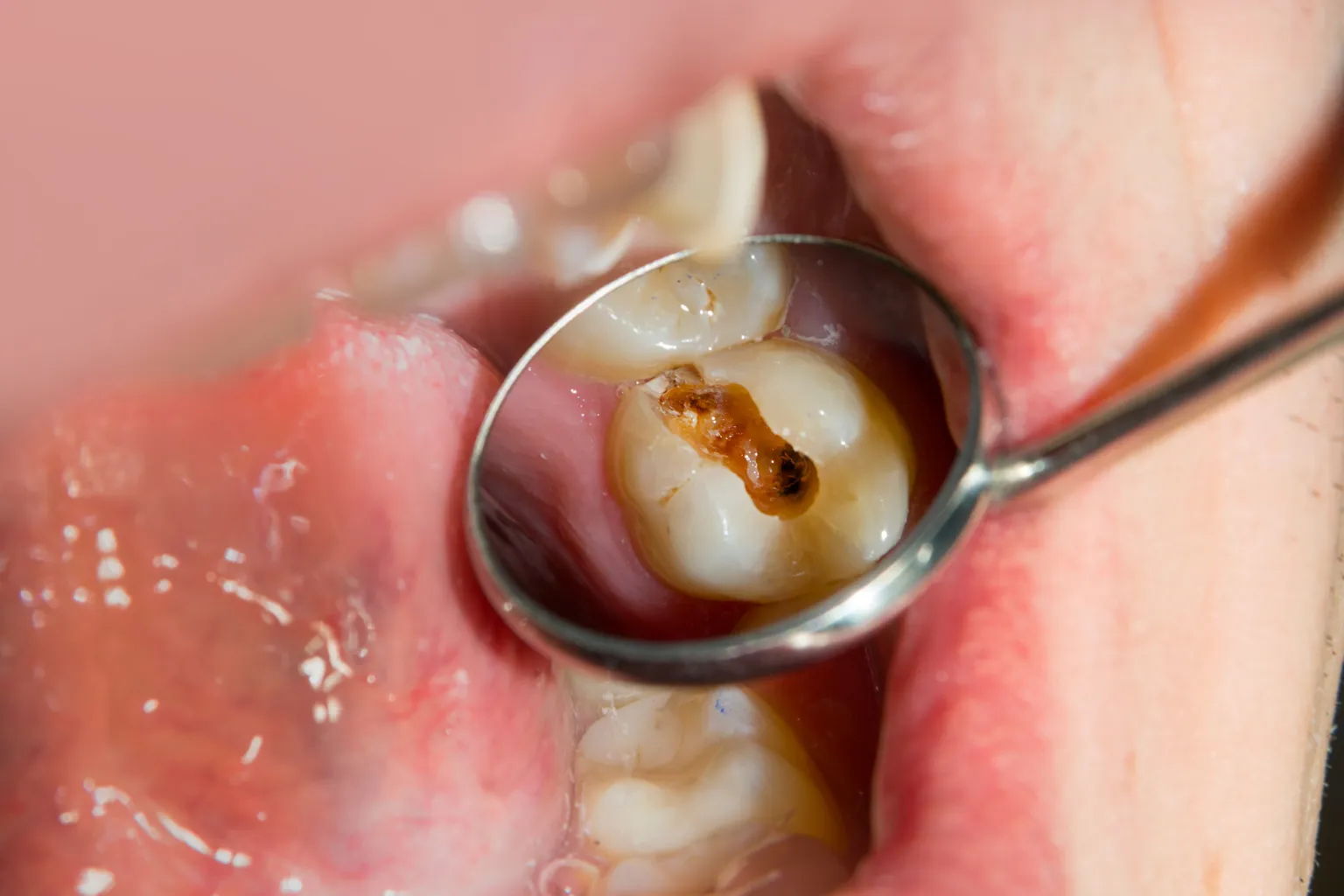
3. The Tissue Inside the Tooth May Be Inflamed or Infected
A tooth can appear normal from the outside while its inner pulp is inflamed or infected. This may happen because of:
- Deep decay
- A crack or chip
- A previous injury
- Repeated dental procedures
- A leaking or damaged restoration
- Bacteria entering the tooth
Possible symptoms include lingering sensitivity to heat or cold, pain when biting, spontaneous aching, throbbing pain, gum tenderness or swelling.
These symptoms do not mean that every painful tooth needs endodontic treatment. Your dentist must first determine whether the pulp is healthy, inflamed or infected and whether the tooth can be restored.
When the pulp is irreversibly inflamed or infected, the dentist may recommend a root canal assessment for the affected tooth. You can also review the common signs that may point to root canal treatment, but only an examination can confirm whether the procedure is appropriate.
4. Exposed Dentin or Gum Recession Can Cause Sensitivity
Enamel protects the visible crown of a tooth. Below the gumline, the tooth’s root has less natural protection. When gum tissue recedes or enamel becomes worn, the underlying dentin may become exposed.
Dentin contains microscopic channels that can transmit temperature and touch sensations toward the centre of the tooth. This can produce a brief, sharp feeling when you consume something cold, hot, sweet or acidic.
Possible contributors include:
- Gum recession
- Toothbrush abrasion
- Enamel wear
- Acid erosion
- Grinding or clenching
- Recent dental treatment
- A damaged filling
- Tooth-whitening products
Brief sensitivity and lingering pain are different patterns, but neither should be used to diagnose the problem at home. Tell your dentist what triggers the sensation and how long it lasts.

5. An Existing Filling, Crown or Restoration May Need Attention
A previously treated tooth can develop new symptoms even when there is no obvious cavity.
For example:
- A filling may become loose or damaged.
- A crown may no longer fit or seal properly.
- The tooth may contact the opposing teeth too heavily when you bite.
- Decay may develop near or beneath a restoration.
- The underlying tooth may crack.
- The pulp may become irritated after extensive treatment.
Recent dental work can sometimes cause temporary sensitivity. However, contact your dentist if the discomfort is severe, is getting worse, prevents you from chewing or does not improve as expected.
Helpful details to report include:
- When the tooth was treated
- When the discomfort began
- Whether the tooth feels “high” when biting
- Whether food catches around the restoration
- Whether the pain is improving or worsening
- Whether hot, cold, sweets or pressure trigger it
These observations help your dentist investigate the cause but do not replace an examination.
6. Grinding or Clenching Can Make Teeth Hurt
Bruxism is the habit of grinding, clenching or tightly holding the teeth together. It can occur during the day or while you sleep, sometimes without your awareness.
The National Institute of Dental and Craniofacial Research identifies tooth pain or sensitivity, tooth wear, cracked teeth, jaw soreness and tired jaw muscles among the possible signs of bruxism.
Other clues may include:
- Morning jaw tightness
- Facial muscle tenderness
- Frequent headaches
- Flattened or worn teeth
- Chipped teeth or restorations
- Pain affecting several teeth rather than one clear spot
- A partner hearing grinding during sleep
A dentist can check for patterns of wear, damaged restorations, muscle tenderness and other possible causes. When appropriate, treatment may include habit changes or a custom appliance. Read more about night guards for clenching and grinding.
Jaw pain can have several causes, so a night guard or another treatment should not be selected from symptoms alone. Patients with jaw-muscle or joint symptoms can review Forest Manor Dental’s TMJ and jaw-pain treatment options, followed by an individualized assessment.
7. Gum, Jaw or Referred Pain May Feel Like Tooth Pain
Not all pain felt in a tooth begins inside that tooth.
Inflamed gum tissue can make the area around a tooth sore or tender. Jaw muscles may refer pain toward the teeth, especially when clenching or temporomandibular symptoms are present.
In some cases, sinus pressure can be felt around the upper back teeth because their roots are close to the sinus area. Nerve-related and other medical conditions can also occasionally resemble dental pain.
A dentist will usually begin by checking for a dental source. If the findings suggest that the discomfort is not coming from a tooth, the dentist may recommend evaluation by an appropriate healthcare professional.
This is particularly important when pain persists despite previous dental treatment or when the symptoms do not follow a typical dental pattern.
What Your Symptoms Can Tell the Dentist
Symptoms are clues, not diagnoses. Pay attention to what triggers the discomfort, how long it lasts and whether it is changing.
| What you notice | Why it is useful to mention |
| Sharp pain when biting | Helps assess the tooth, restoration, bite and possible structural damage |
| Pain when releasing your bite | May help identify a possible crack or bite-related problem |
| Brief cold sensitivity | Helps characterize the tooth’s response to temperature |
| Pain that lingers after heat or cold | May indicate that the pulp needs further evaluation |
| Spontaneous throbbing | Helps establish severity and whether the pain occurs without a trigger |
| Pain that wakes you from sleep | Indicates the timing and effect of the symptoms |
| Morning jaw soreness | May point toward clenching, grinding or muscle involvement |
| Localized gum swelling | Raises urgency and helps identify the affected area |
| Pain affecting several teeth | May require broader testing for dental or referred pain |
| Pain that is difficult to locate | Shows that multiple teeth or nearby structures may need evaluation |
Before your appointment, consider writing down:
- When the pain started
- Where you feel it
- Whether it is constant or intermittent
- What triggers it
- How long it lasts after the trigger stops
- Whether it is worsening
- Whether swelling, fever or trauma is present
- Whether the tooth has a filling, crown or history of injury
- Which medications you have taken
Can You Have Tooth Pain With a Normal Dental X-Ray?
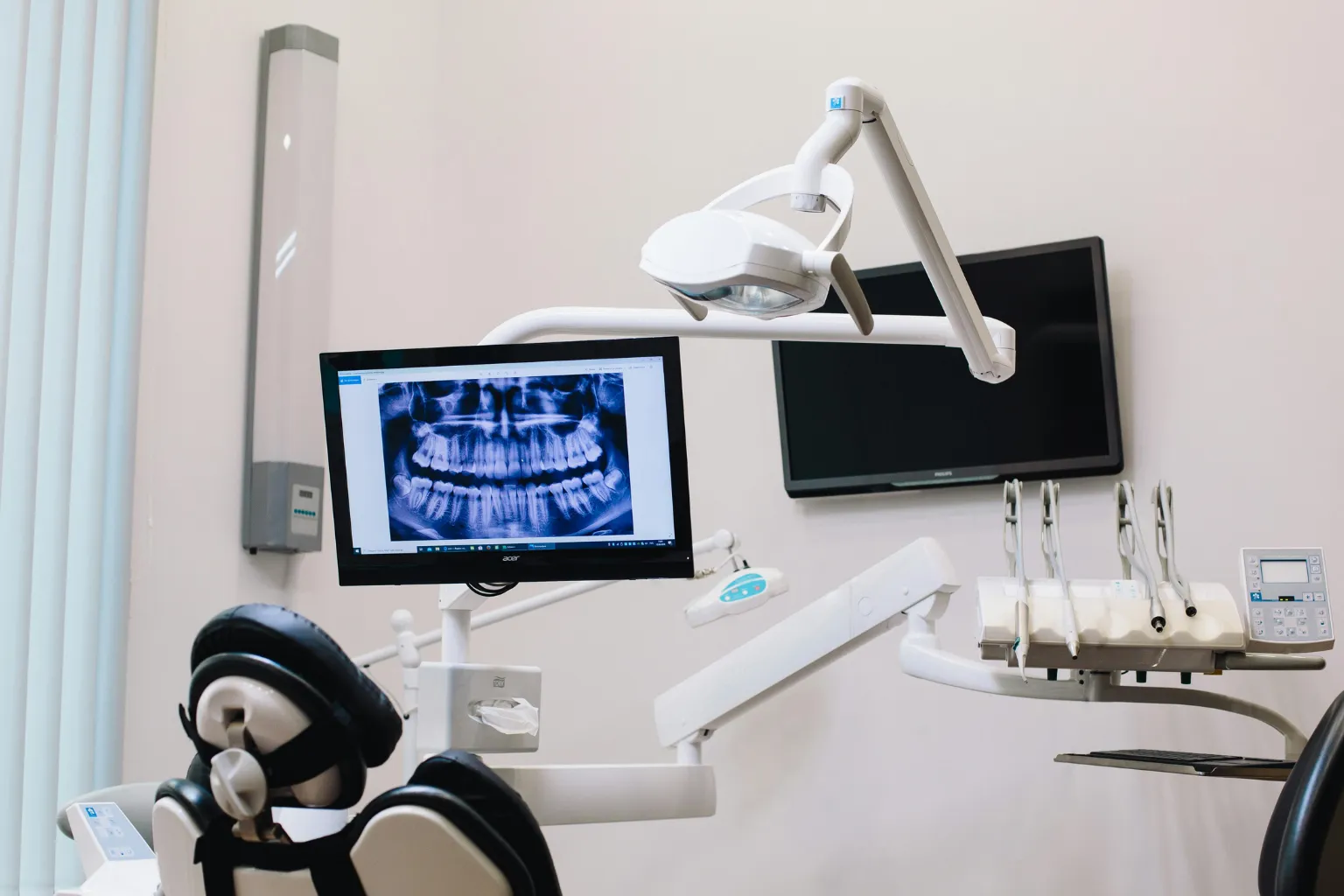
Yes. Dental X-rays can reveal many problems that are not visible during a routine visual examination, but they are only one part of diagnosis.
Some small cracks, pulp conditions, bite problems, early changes and referred pain may not be obvious on a standard image. The dentist may need to combine imaging with:
- Your symptom history
- A visual and periodontal examination
- Biting or pressure tests
- Temperature tests
- Pulp vitality testing
- Tapping or palpation
- Examination of your bite
- Comparison with previous records
- Evaluation of the jaw muscles and joints
The American Dental Association’s radiography guidance emphasizes completing a clinical examination and selecting imaging according to the individual patient’s diagnostic needs. More imaging is not automatically better, and a normal-looking image does not mean that reported pain should be dismissed.
When Does Tooth Pain Need Urgent Care?
Arrange prompt dental care when the pain:
- Is severe or rapidly worsening
- Prevents you from sleeping or eating
- Continues without an obvious trigger
- Is accompanied by localized swelling
- Follows an injury
- Occurs with a broken or displaced tooth
- Is associated with pus, drainage or a bad taste
- Does not improve or repeatedly returns
Forest Manor Dental provides urgent dental care for severe or worsening tooth pain.
Seek emergency medical care immediately if you have:
- Difficulty breathing, swallowing or speaking
- Rapidly spreading swelling in the mouth, face or neck
- Swelling or pain around the eye
- Changes in vision
- Heavy bleeding that will not stop
- Serious facial or jaw trauma
- Loss of consciousness or neurological symptoms following an injury
- Severe weakness, confusion or faintness associated with an infection
Call 911 when symptoms may be life-threatening. Do not wait for a dental appointment if swelling is interfering with your airway.
How Does a Dentist Find the Cause of Unexplained Tooth Pain?
A diagnostic visit normally begins with a detailed history. Your dentist may ask:
- When did the pain begin?
- Is it sharp, dull, throbbing or pressure-like?
- Is the pain constant or intermittent?
- Does biting trigger it?
- Do hot, cold or sweet foods trigger it?
- How long does the sensation last?
- Does it wake you from sleep?
- Has the tooth been restored before?
- Was there recent trauma or dental treatment?
- Do you grind or clench your teeth?
- Is there swelling or fever?
- Can you identify one tooth?
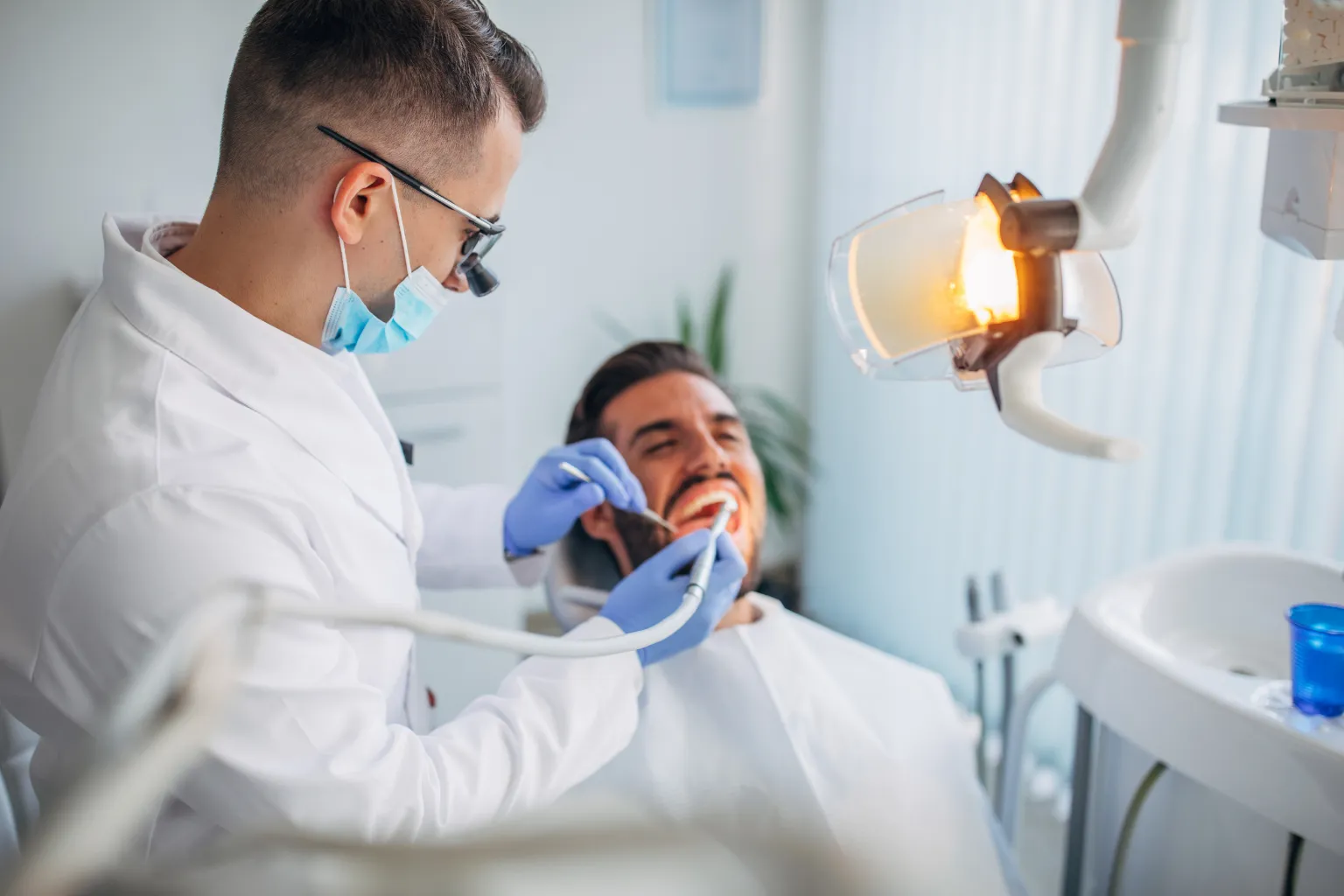
The dentist will then examine the teeth, gums, existing restorations and bite. Diagnostic tests or X-rays may be recommended when they are expected to provide useful information.
Sometimes the cause becomes clear during the first appointment. In more complex cases, the dentist may monitor the tooth, repeat specific tests or refer the patient to an endodontist, oral medicine specialist or another healthcare professional.
Treatment Depends on the Diagnosis
There is no single treatment for tooth pain without a visible cavity.
Depending on the cause, care may involve:
- Monitoring a mild or temporary symptom
- Treating sensitivity
- Repairing or replacing a restoration
- Adjusting the bite
- Restoring a cracked or weakened tooth
- Treating gum inflammation
- Providing root canal treatment
- Removing a tooth that cannot be predictably restored
- Managing grinding or clenching
- Referring the patient for evaluation of non-dental pain
Avoid selecting a procedure based only on an online symptom list. A crown will not solve every case of biting pain, and root canal treatment is not appropriate for every sensitive tooth.
The correct treatment follows the diagnosis.
What Can You Do While Waiting for an Appointment?
While you wait for professional care:
- Avoid chewing hard foods on the painful side.
- Keep the area clean with gentle brushing and flossing.
- Avoid extreme temperatures if they trigger discomfort.
- Use over-the-counter medication only if it is safe for you and according to its label or a healthcare professional’s instructions.
- Record what triggers the pain and how long it lasts.
- Contact the dental office if your symptoms change or worsen.
Do not:
- Put aspirin directly on the tooth or gum
- Attempt to repair the tooth with household glue
- Puncture or drain an area of swelling
- Take leftover antibiotics
- Use another person’s prescription medication
- Delay care because the pain temporarily disappears
Pain relief does not necessarily mean the underlying problem has resolved.
Book a Dental Examination in North York
You do not need to identify the cause before calling a dentist. Describing where the pain occurs, what triggers it and whether swelling or trauma is present gives the dental team useful information for triage.
Forest Manor Dental is located at 70 Forest Manor Road, Units 2–3, North York, Ontario.
Tooth still hurting even though you cannot see a cavity? Contact Forest Manor Dental to request an examination or call 647-350-6683.
If the pain is severe, rapidly worsening or accompanied by swelling or trauma, tell the team when you call. Call 911 for difficulty breathing or swallowing, uncontrolled bleeding or another potentially life-threatening symptom.
Frequently Asked Questions
Can a tooth hurt even when there is no visible cavity?
Yes. A crack, exposed dentin, inflammation inside the tooth, a damaged restoration, gum inflammation, grinding or referred pain can cause discomfort without a visible cavity. Decay may also exist in an area that is difficult to see without an examination.
Why does my tooth hurt only when I bite?
Pain when biting can have several causes, including a crack, a loose or damaged restoration, bite pressure or inflammation around the tooth. Because these conditions can feel similar, a dentist should evaluate persistent biting pain.
Can a cracked tooth be missed on an X-ray?
Some cracks may not be clearly visible on standard dental X-rays. Dentists often combine imaging with the symptom history, biting tests, temperature tests and a clinical examination.
Can a tooth need root canal treatment without a large cavity?
Yes. The pulp inside a tooth can become inflamed or infected because of a crack, trauma, repeated dental procedures or another source of irritation. However, not every painful or sensitive tooth requires root canal treatment.
Can grinding make one tooth hurt?
Grinding and clenching can place excessive pressure on teeth, restorations and jaw muscles. Although several teeth may be affected, one tooth may become more noticeable if it already has structural damage or receives heavier bite pressure.
Why does my tooth hurt if the dentist says the X-ray looks normal?
Not every cause of dental pain is immediately visible on an X-ray. The dentist may need additional clinical tests, monitoring or evaluation of the bite, pulp, gums, muscles and joints. Persistent unexplained pain may also require specialist assessment.
Can sinus pressure feel like tooth pain?
Sinus pressure can sometimes be felt near the upper back teeth. However, dental problems can produce similar symptoms. Seek an examination rather than assuming that persistent tooth pain comes from the sinuses.
When should unexplained tooth pain be treated as urgent?
Seek prompt dental care for severe or worsening pain, swelling, trauma, drainage, a bad taste or pain that prevents eating or sleeping. Call 911 if swelling affects breathing or swallowing, bleeding cannot be controlled or serious facial trauma has occurred.