
Are you tired of hiding your smile due to damaged or missing teeth? Do you struggle to chew your favorite foods comfortably? If so, restorative dentistry is the solution you have been looking for.
While cosmetic dentistry focuses on how your teeth look, restorative dentistry focuses on how they work and feel. Its primary mission is to repair damage, replace missing structures, and eliminate pain.
In this comprehensive guide, we explore everything you need to know about dental restoration—from the different types of procedures to a transparent breakdown of what they cost in Canada.

What is Restorative Dentistry?
Think of restorative dentistry as the “repair shop” for your mouth. It involves the diagnosis and management of oral diseases and the rehabilitation of the teeth to their functional and aesthetic requirements.
Whether you have a small cavity or are missing several teeth, restorative procedures aim to:
- Preserve as much natural tooth structure as possible.
- Replace missing teeth to restore chewing function.
- Prevent future oral health issues like bone loss or shifting teeth.
Why It Is Crucial for Your Health
Ignoring a damaged tooth doesn’t just affect your smile; it affects your entire body.
- Stops the “Domino Effect”: When you lose a tooth, the surrounding teeth eventually shift into the gap, leading to bite misalignment and TMJ pain.
- Prevents Bone Loss: Missing teeth cause the jawbone to recede, leading to a “sunken” facial appearance. Restorative options like implants stimulate the bone to keep it healthy.
- Systemic Health: Oral infections (like deep decay) are linked to broader health issues, including heart disease and diabetes. Treating the decay promptly protects your overall well-being.
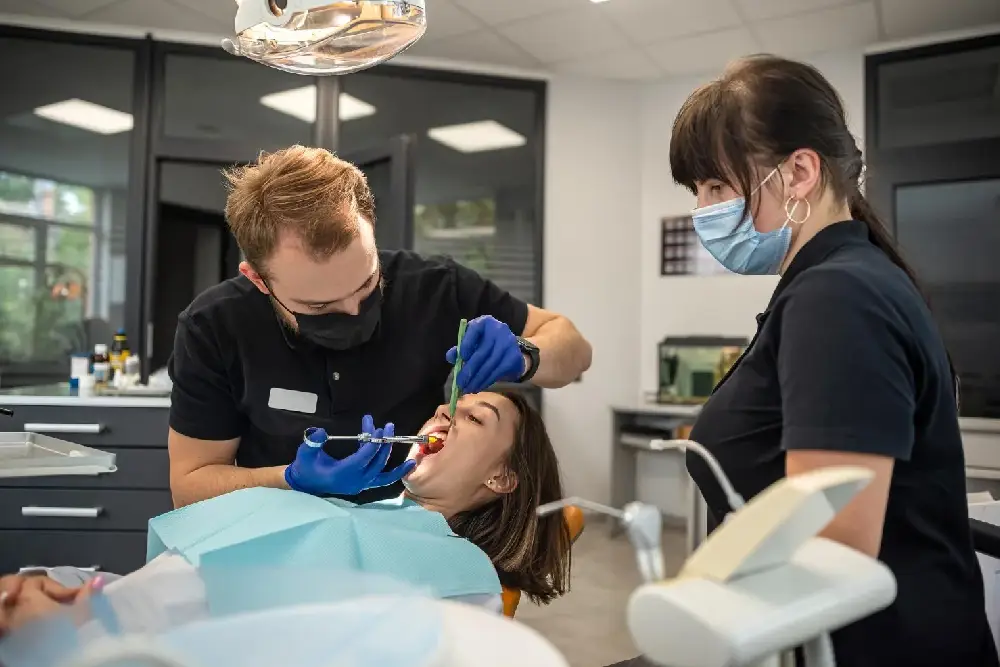
Types of Restorative Procedures
Restorative dentistry covers a wide spectrum of treatments, ranging from simple repairs to complex surgeries.
1. Dental Fillings (Basic Restoration)
- Best for: Small to medium cavities.
- The Process: The decayed portion of the tooth is removed and the space is filled with composite resin (tooth-colored) or amalgam. This seals the tooth to prevent further decay.
Learn more about tooth cavity filling consultations.
2. Dental Crowns (Major Restoration)
- Best for: Severely damaged, cracked, or weakened teeth.
- The Process: A “cap” shaped like a tooth is placed over the remaining tooth structure. It restores the tooth’s original shape, size, and strength.
Read more about dental crowns in North York.
3. Dental Bridges
- Best for: Replacing one or more missing teeth in a row.
- The Process: A prosthetic tooth (pontic) is anchored in place by crowns attached to the healthy natural teeth on either side of the gap.
See our guide on what are tooth bridge services.
4. Dental Implants
- Best for: A permanent, standalone replacement for missing teeth.
- The Process: A titanium post is surgically placed into the jawbone to act as an artificial root. Once healed, a crown is attached. This is considered the gold standard for tooth replacement.
5. Dentures
- Best for: Replacing multiple missing teeth or a full arch.
- The Process: Removable appliances that replace missing teeth and surrounding tissue. They can be partial (replacing a few teeth) or complete (replacing a full arch).
- Read our tips on caring for your dentures.

Restorative Dentistry Cost Breakdown (2025)
One of the biggest concerns patients have is cost. In Canada, prices vary based on the complexity of the case, the materials used, and the geographic location.
Here is a general estimate of what you can expect to pay for common restorative procedures:
| Procedure | Estimated Cost (Per Tooth/Unit) |
| Dental Fillings | $150 – $400 |
| Dental Crowns | $1,000 – $1,800 |
| Dental Bridges | $1,200 – $1,500 per unit (Total: $3,500+) |
| Root Canal Therapy | $600 – $1,500 (See detailed Root Canal costs) |
| Dental Implants | $3,000 – $6,000 (See detailed Implant costs) |
| Dentures | $1,500 – $3,000+ (per arch) |
Note: These are estimates. The final cost depends on factors like the need for sedation, bone grafting, or specialized materials (e.g., gold vs. zirconia).
Insurance & Financing Options
Most restorative procedures are categorized as “medically necessary,” meaning they are often covered by dental insurance.
How Insurance Typically Works
- Basic Services (Fillings, Root Canals): Often covered at 80% to 100%.
- Major Services (Crowns, Bridges, Dentures): Typically covered at 50%.
- Implants: Coverage varies widely; some plans cover the crown portion but not the surgical placement.
- Learn more about how dental insurance works.
No Insurance? No Problem.
If you do not have insurance, look for a dental provider that offers flexible options:
- Payment Plans: Many clinics allow you to spread the cost over monthly installments.
- Phased Treatment: For complex cases, treatments can be scheduled in stages (e.g., treating the most urgent infection first) to spread out the financial burden.
- Government Plans: We accept patients under the CDCP (Canadian Dental Care Plan) for eligible restorative services.
Recovery & Aftercare
Restorative dentistry is an investment, and proper care ensures it lasts.
- Immediate Recovery: You may experience sensitivity for a few days after fillings or crowns. Over-the-counter pain relief is usually sufficient.
- Long-Term Maintenance:
- Brush and floss daily. Artificial teeth can’t get cavities, but the gum tissue around them can still get infected.
- Wear a nightguard if you grind your teeth, as this can chip porcelain crowns.
- Regular Checkups: Visit your dentist every 6 months to ensure your restorations remain secure. Read about the importance of regular dental checkups.

Conclusion
Restorative dentistry is the bridge between oral pain and a confident, functional smile. Whether you need a simple filling to stop sensitivity or a full set of implants to restore your ability to eat, modern dentistry offers durable and natural-looking solutions.
Don’t let cost or anxiety prevent you from getting the care you need. Delaying treatment almost always leads to more complex—and expensive—problems down the road.
Ready to restore your smile?
Consult with a qualified dentist today to discuss a personalized treatment plan that fits your health needs and your budget.
If you are in the North York area, contact Forest Manor Dental to schedule your restorative consultation.