
Your main job after wisdom teeth removal is to rest and let your body heal properly. A big part of that is choosing the right foods that won’t cause irritation. This guide on what to eat after wisdom teeth removal lists simple, nutritious options to get you through the first week.
The First 48 Hours: Your Go-To List of Soft Foods
The first two days are the most important for healing. Once you have planned for the wisdom teeth removal cost, prepare for your recovery diet. Your main focus should be on very soft or liquid foods that you don’t have to chew. This will protect the surgical area and help it heal properly.
Here is a simple list of soft foods to eat after dental surgery:
- Lukewarm Soups and Broths: These are easy to eat and keep you hydrated. Just make sure they aren’t too hot!
- Yogurt and Applesauce: Both are gentle on your mouth and easy to swallow.
- Smoothies: These are a great way to get vitamins. But remember, do not use a straw.
- Mashed Potatoes or Avocado: These are filling, soft, and won’t irritate your gums.
- Scrambled Eggs: They are soft and packed with protein, which helps your body heal.
These options are excellent choices for wisdom teeth recovery food to get you started.

Foods to Absolutely Avoid After Wisdom Teeth Removal
Just as important as what you eat is what you don’t eat. Staying away from certain foods can prevent pain and problems. A good post-surgery diet is all about being gentle on your mouth.
Here are the main foods to avoid after wisdom teeth removal:
- Crunchy and Hard Foods: Things like chips, nuts, and popcorn can get stuck in the socket and cause a painful infection.
- Spicy and Acidic Foods: Foods like hot sauce or orange juice can cause a burning feeling in the wound.
- Sticky or Chewy Foods: Candies or tough meats can pull out the blood clot that helps you heal.
- Using a Straw: The sucking motion can dislodge the blood clot, leading to a painful condition called dry socket.
If you have any severe pain or feel like something is wrong, please don’t wait. It’s always best to contact us right away so we can help.

Days 3-7: Slowly Reintroducing More Foods
After a few days, you will likely start to feel much better. This is a good time to slowly add more semi-soft foods back into your diet. Just listen to your body and don’t rush it.
You can try adding things like:
- Oatmeal or Cream of Wheat
- Soft-cooked fish, like salmon
- Well-cooked pasta or macaroni and cheese
- Soft breads or pancakes
The goal is to move back to your normal diet without causing any pain. This gentle transition is a key part of healing after tooth extraction. Taking care of your mouth now sets you up for great long-term oral health, which is always our goal, whether it’s a simple check-up or restoring a tooth with a dental crown.
Why Your Diet Matters for a Speedy Recovery
The food choices we recommend are based on science to help your body heal. Here’s why your diet is so important:
- Promotes Faster Healing: Protein-rich foods like eggs and fish provide the building blocks your body needs to repair tissue at the surgical site.
- Reduces Swelling: Staying hydrated with plenty of water and broth helps to minimize swelling and improve comfort.
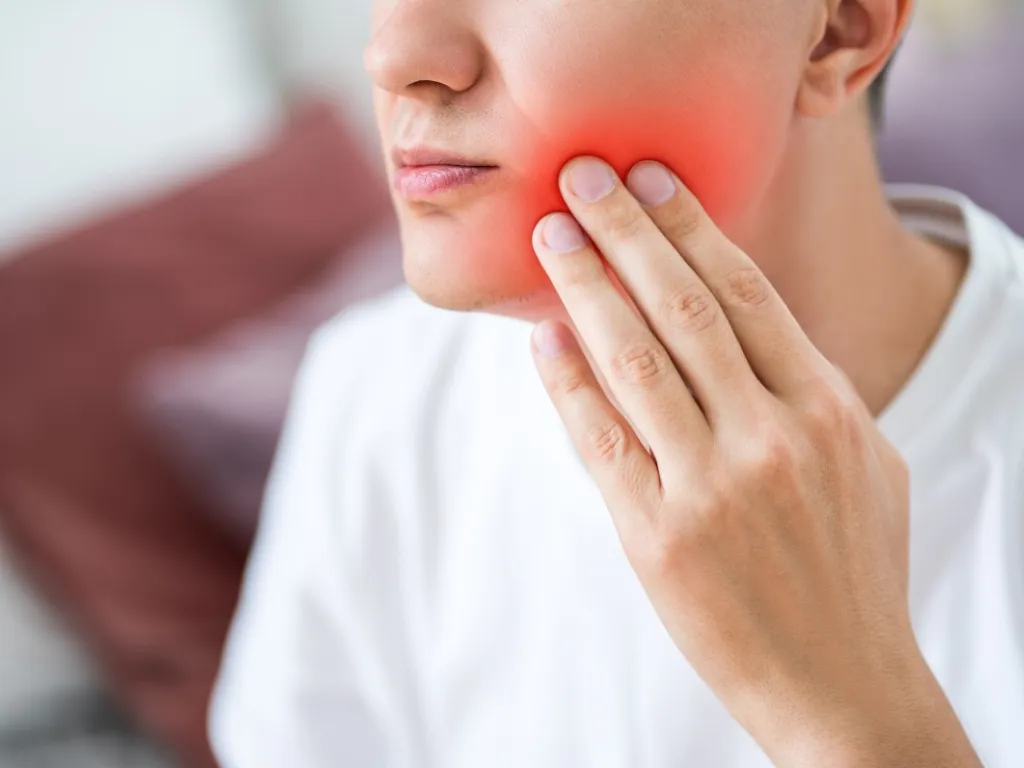
- Protects the Wound: Eating soft foods prevents irritation and protects the crucial blood clot that forms in the socket, which is essential for proper healing.
This advice is based on the experience of our entire team of dentist professionals to ensure your recovery is as smooth as possible.
Long-Term Oral Health After You’ve Healed
Once you are all healed up, you can get back to thinking about your long-term smile goals. A healthy mouth is the perfect foundation for any other treatments you might be interested in. For example, many patients consider options like Invisalign to straighten their smile once they have fully recovered.
Conclusion
We hope this guide has been helpful. Knowing what to eat after wisdom teeth removal can make a huge difference in how you feel and how quickly you recover. Just remember to be patient with yourself and stick to soft foods for the first week.
If you have any more questions, the team at Forest Manor Dental is always here to help. We are also happy to help you understand your payment and insurance options, including new programs like the CDCP dental care in North York. Your comfort and health are our top priorities.
About the Author
Dr. Chris Song is a dedicated dentist at Forest Manor Dental who enjoys guiding patients through their dental journey. He focuses on providing supportive care and clear advice to guide every patient through their recovery.